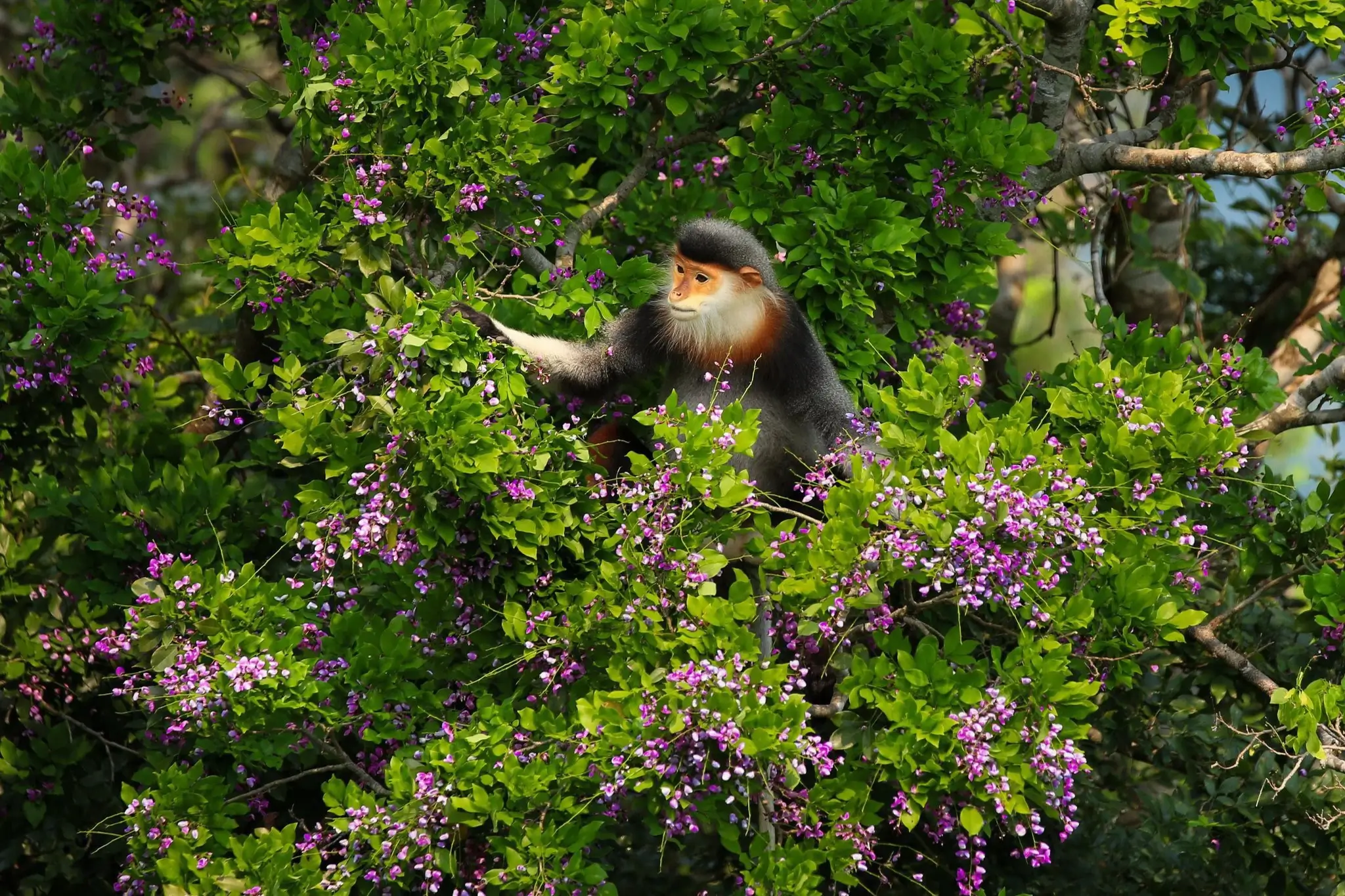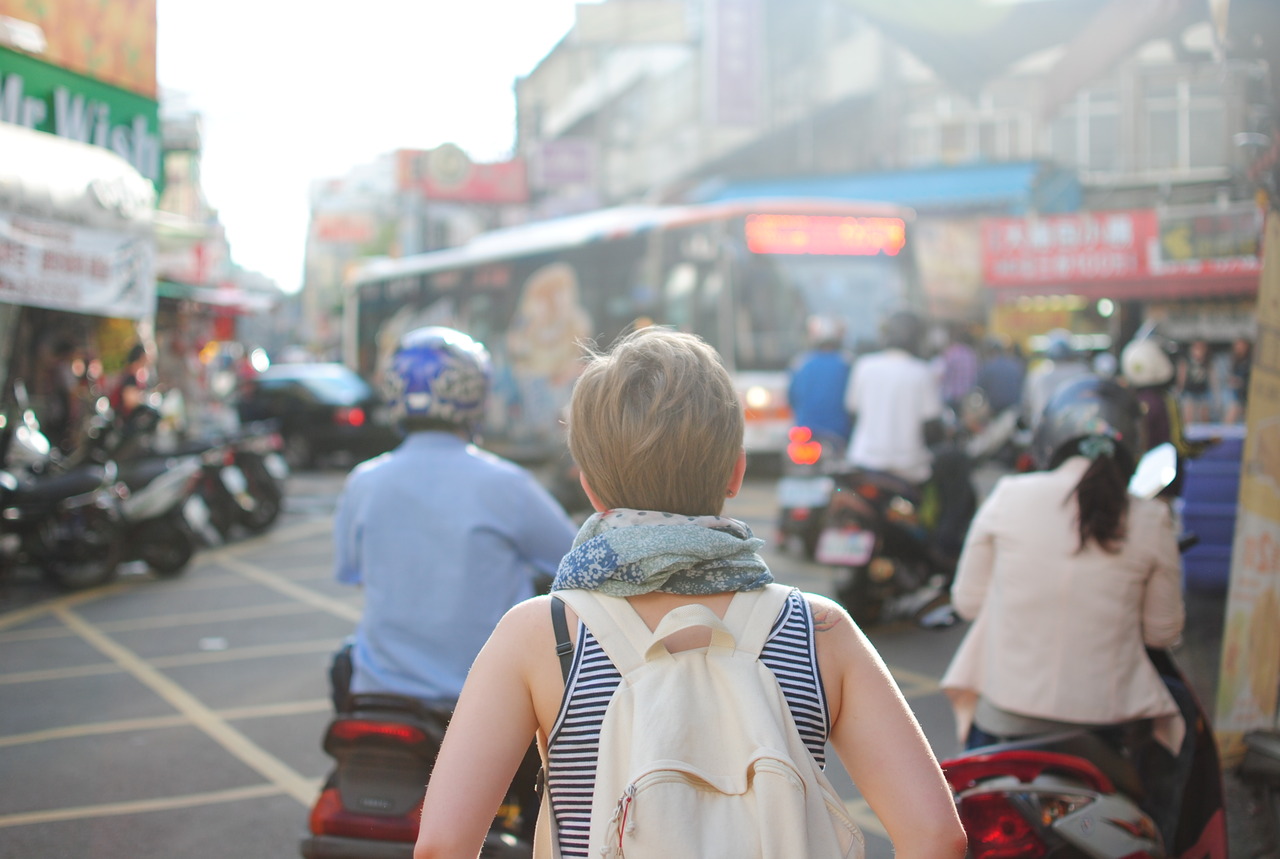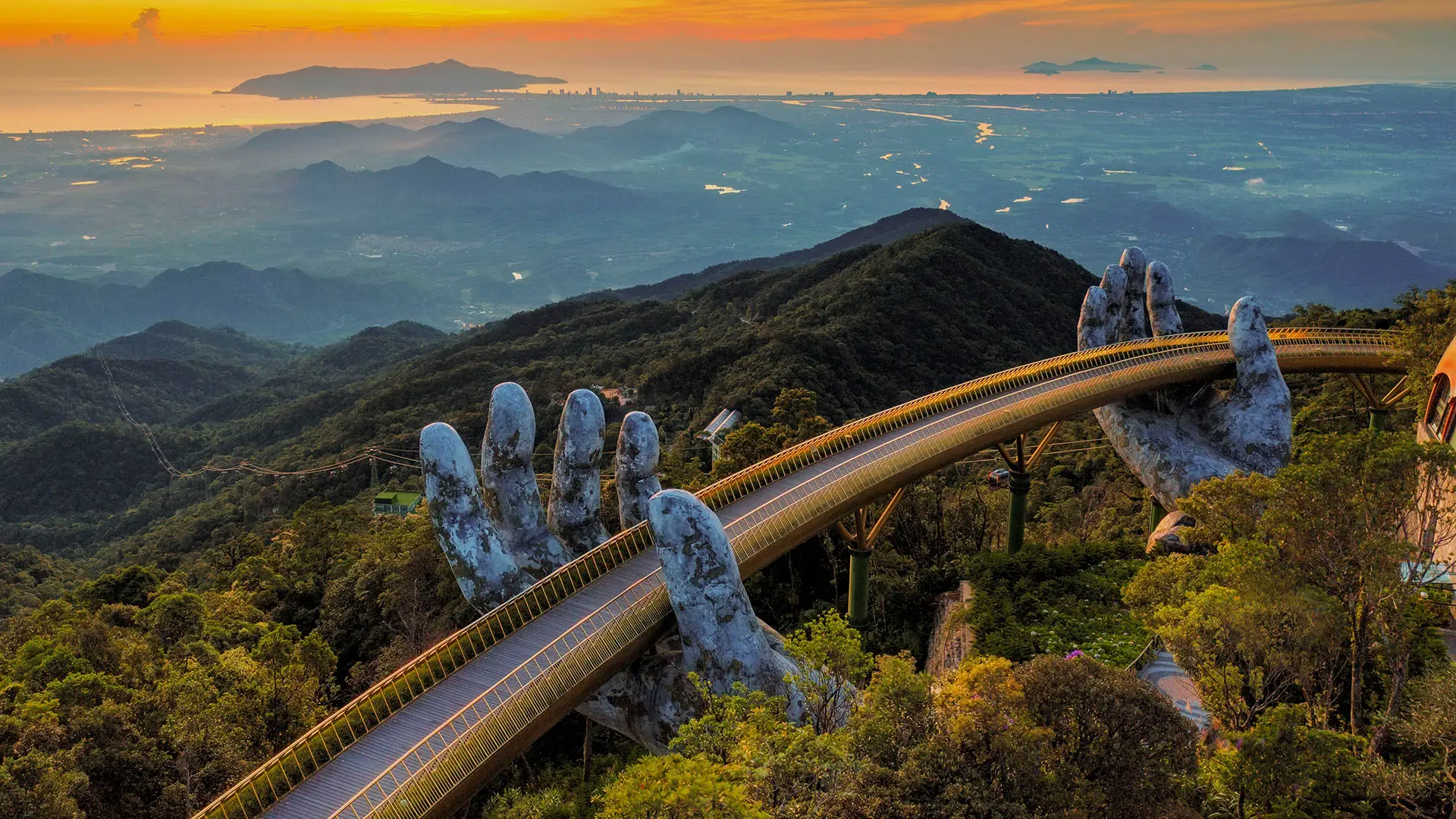
Not far from the expanding skyline of Da Nang, where glass towers rise and coastal…
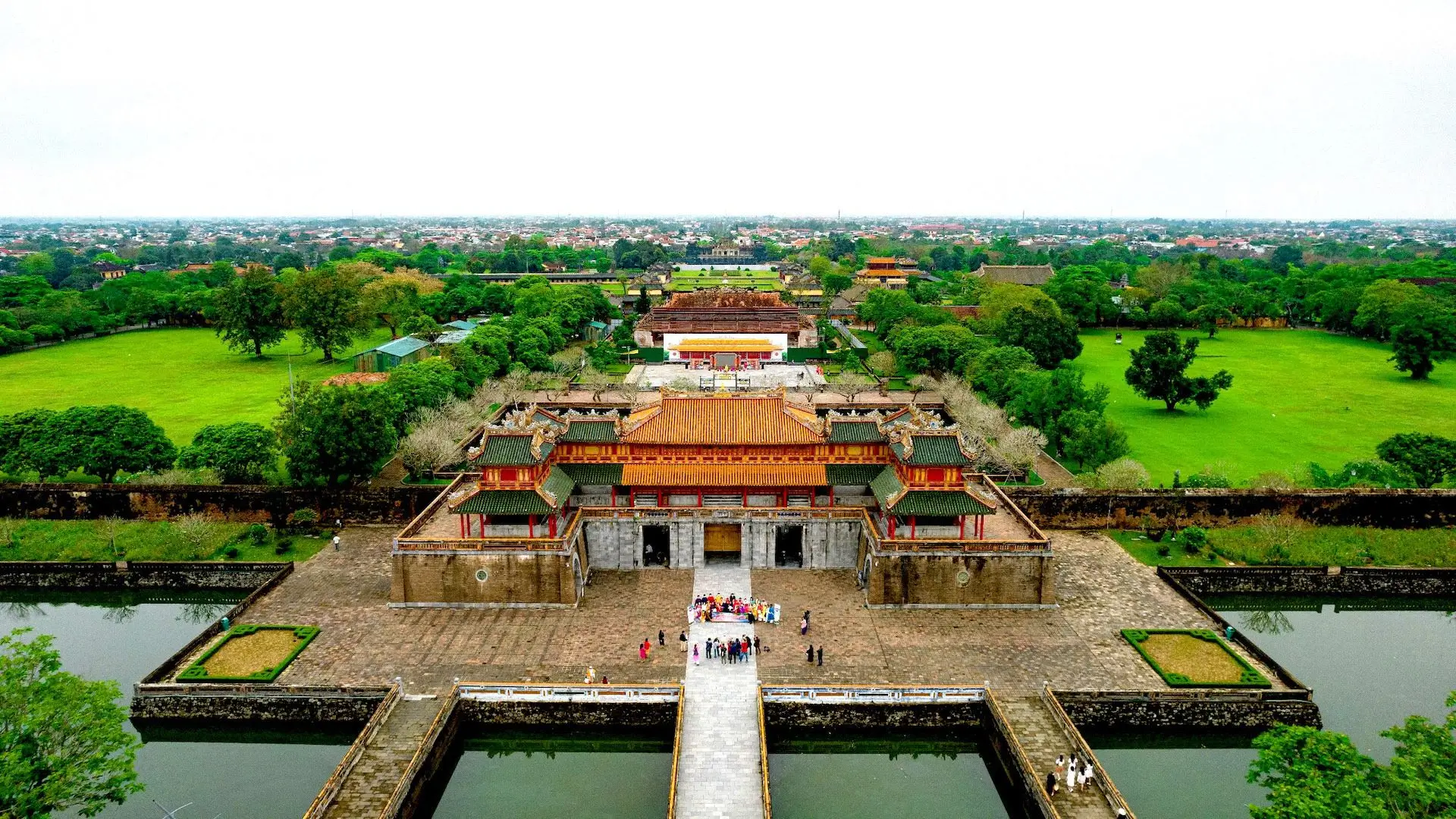
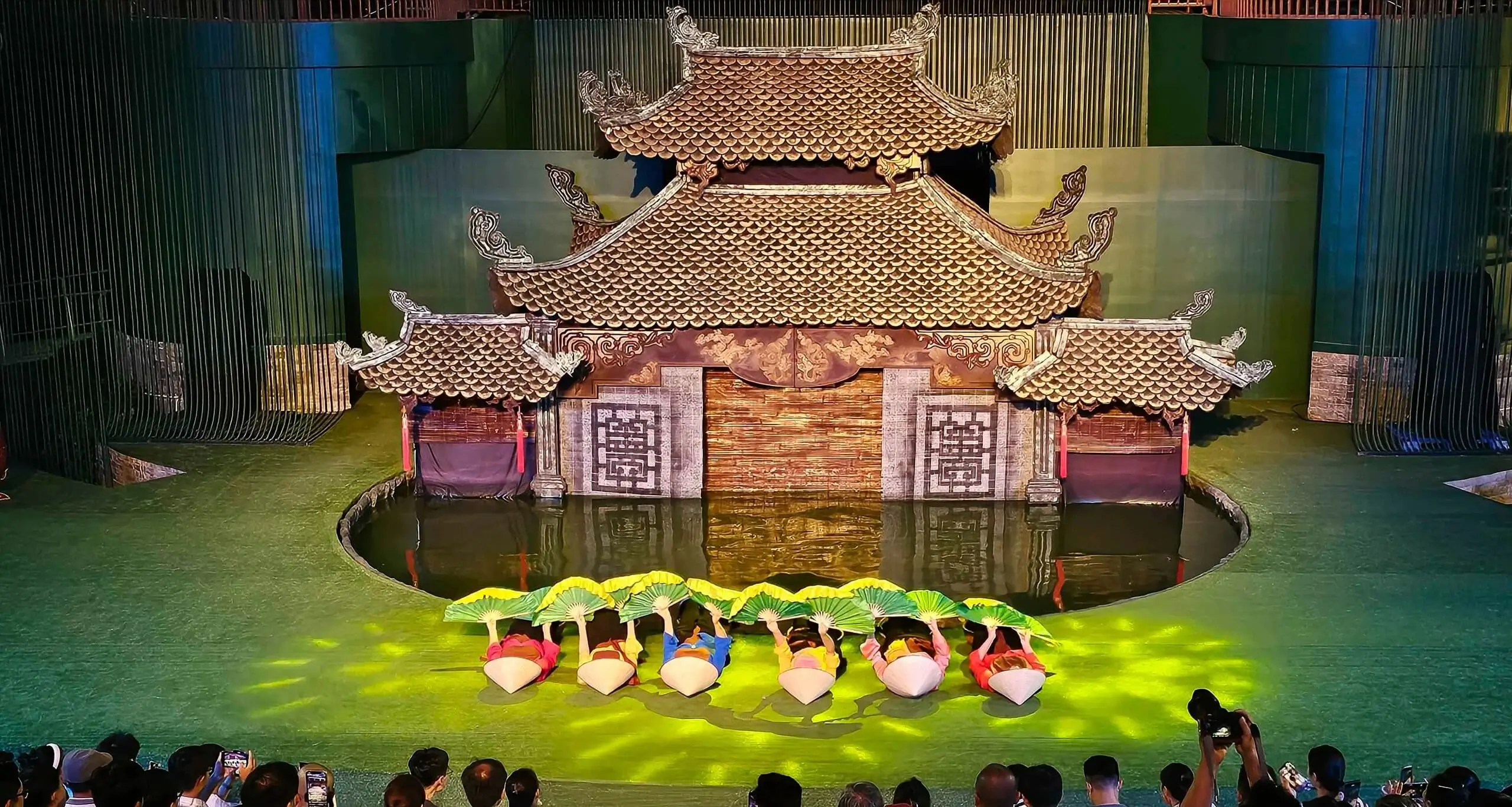
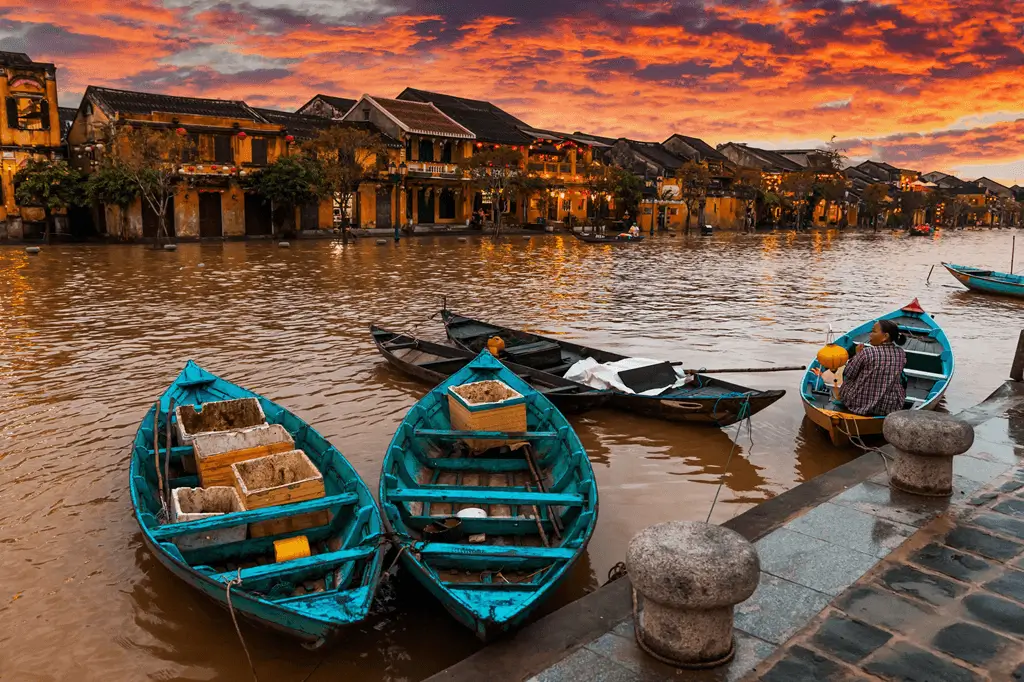
Central Vietnam, a narrow stretch of land framed by mountains and sea, has long been described as a frontier. Yet to see it merely as a geographical boundary is to overlook a more profound role it has played for centuries. This region has been, in many respects, a point of convergence between two major civilizational currents of Asia—one extending southward from China, the other radiating across maritime routes from India.
These influences did not exist in isolation. They intersected, overlapped, and at times stood in tension with one another, leaving behind a cultural landscape defined less by uniformity than by accumulation.
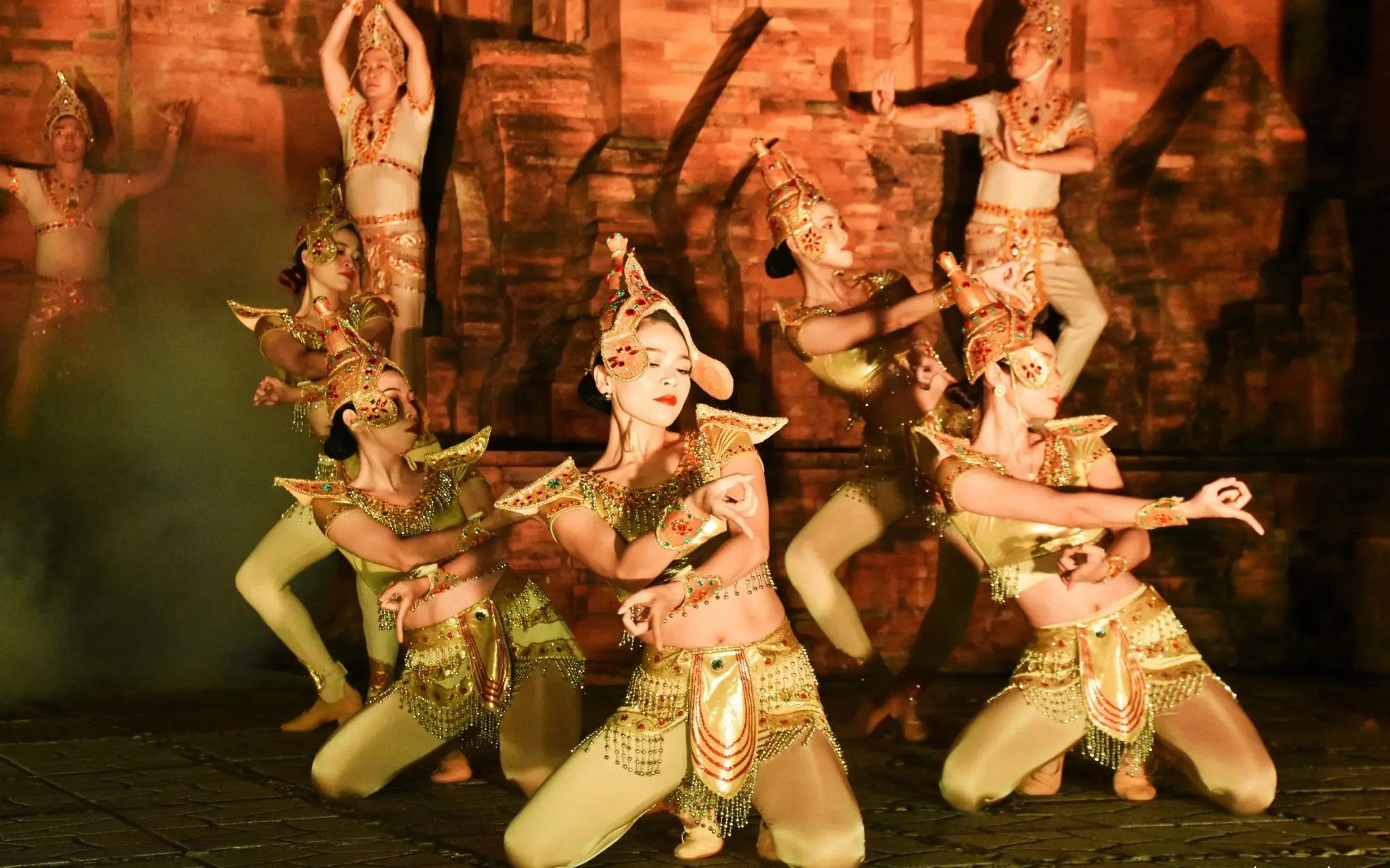
The imprint of India can be most clearly traced in the legacy of Champa, where Hinduism once shaped both spiritual life and artistic expression. Brick temples, intricate carvings of deities, and the spatial logic of sacred sites reflect a worldview oriented toward cosmology and the relationship between the human and the divine. These were not merely architectural forms, but expressions of a metaphysical order.
In contrast, the influence from China emerged through a different set of structures—administrative systems, Confucian philosophy, and a social order grounded in hierarchy and regulation. Particularly from the fifteenth century onward, these elements became increasingly embedded in Vietnamese society, shaping not only governance but also patterns of thought and behavior.
What distinguishes Central Vietnam is not simply the presence of these two influences, but the way they coexisted within the same geographical space. They represent, in many respects, two distinct ways of understanding the world—one oriented toward spiritual symbolism, the other toward social order. Their interaction was not always harmonious.
Historical records point to periods of conflict, especially during the southward expansion of Đại Việt. Yet to frame this region solely through the lens of confrontation would be to miss a more significant reality: it was precisely through these encounters that a distinct cultural identity began to take shape.
Today, traces of this layered past remain visible, though not always immediately apparent. Moving through Central Vietnam—from Huế to Hội An—one encounters not a single narrative, but multiple strata of history. A Buddhist temple influenced by Mahayana traditions may stand not far from the remnants of Hindu sanctuaries. An old trading port, once open to the world, still carries echoes of exchanges that extended far beyond its shores.
What is striking is that these layers have not entirely erased one another. Instead, they persist, much like geological formations beneath the surface—sometimes hidden, yet continuously shaping how the region is experienced.
In a contemporary context, where travel is often reduced to a sequence of curated highlights, Central Vietnam presents a different kind of challenge. It resists immediate comprehension. What is visible offers only a partial account of a much longer and more complex history, one in which civilizations did not simply pass through, but left enduring imprints.
For this reason, the region does not lend itself easily to hurried itineraries. It requires time, attention, and a willingness to engage beyond the surface. What it offers in return is something increasingly rare: an opportunity to observe how cultures do not merely collide, but also coexist, transform, and shape one another over time.
In a world that is becoming progressively more uniform, where cultural distinctions risk being flattened, places like Central Vietnam serve as a reminder that history is neither linear nor singular. It is an accumulation—of influences, perspectives, and narratives that continue to unfold, long after their origins have faded from view.
Related Posts