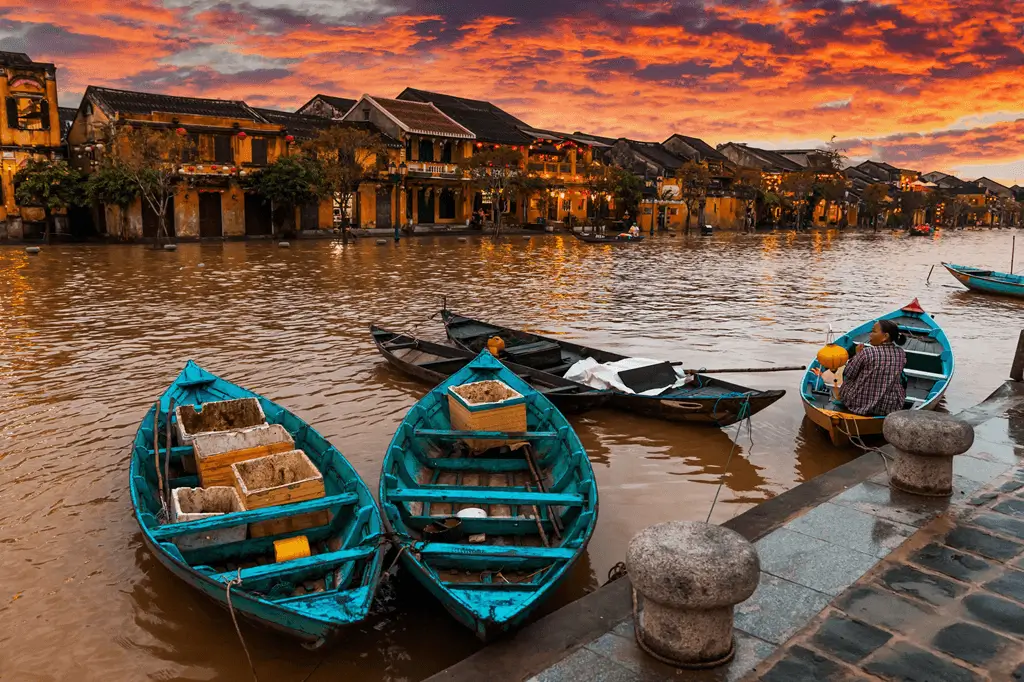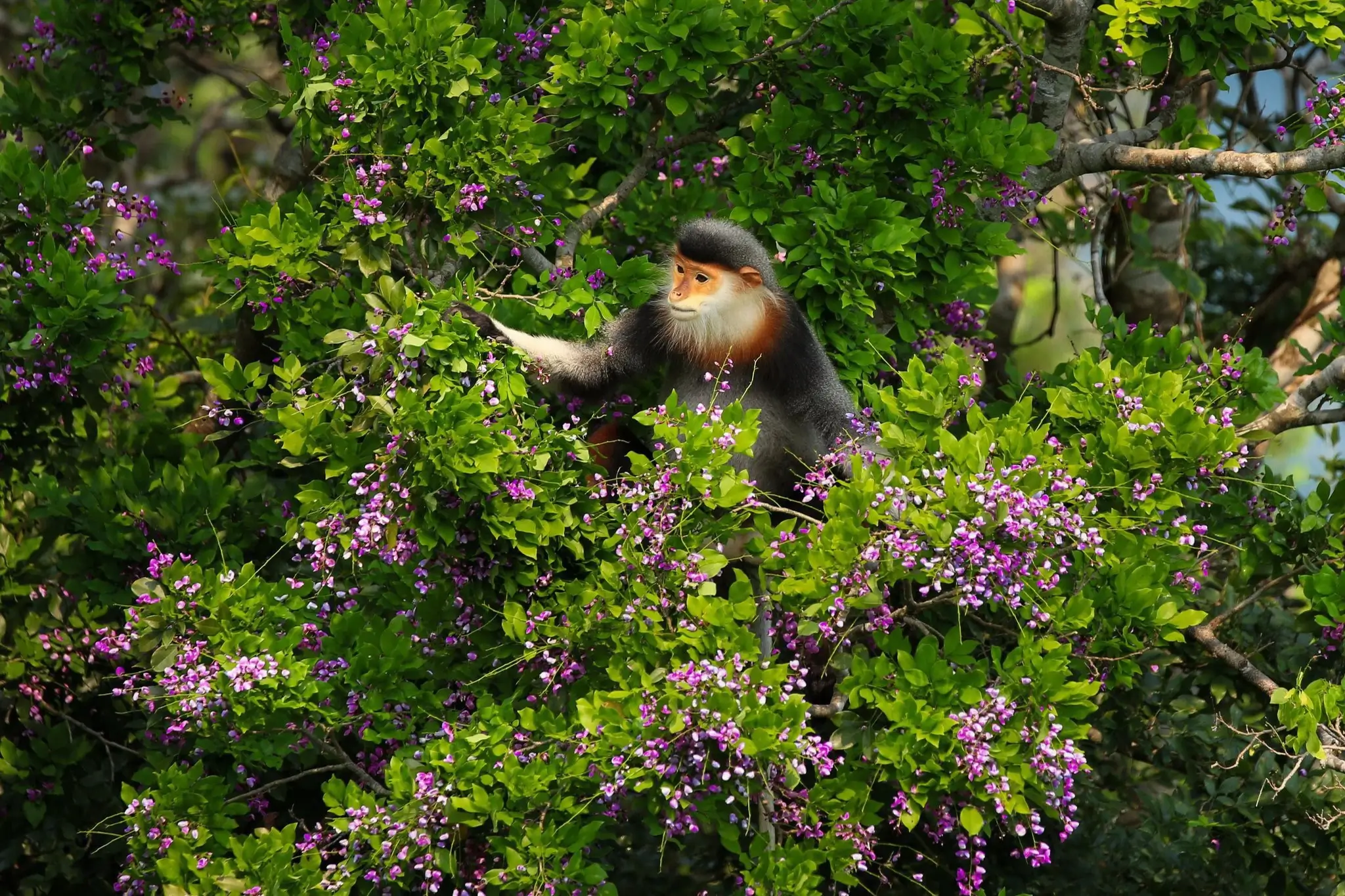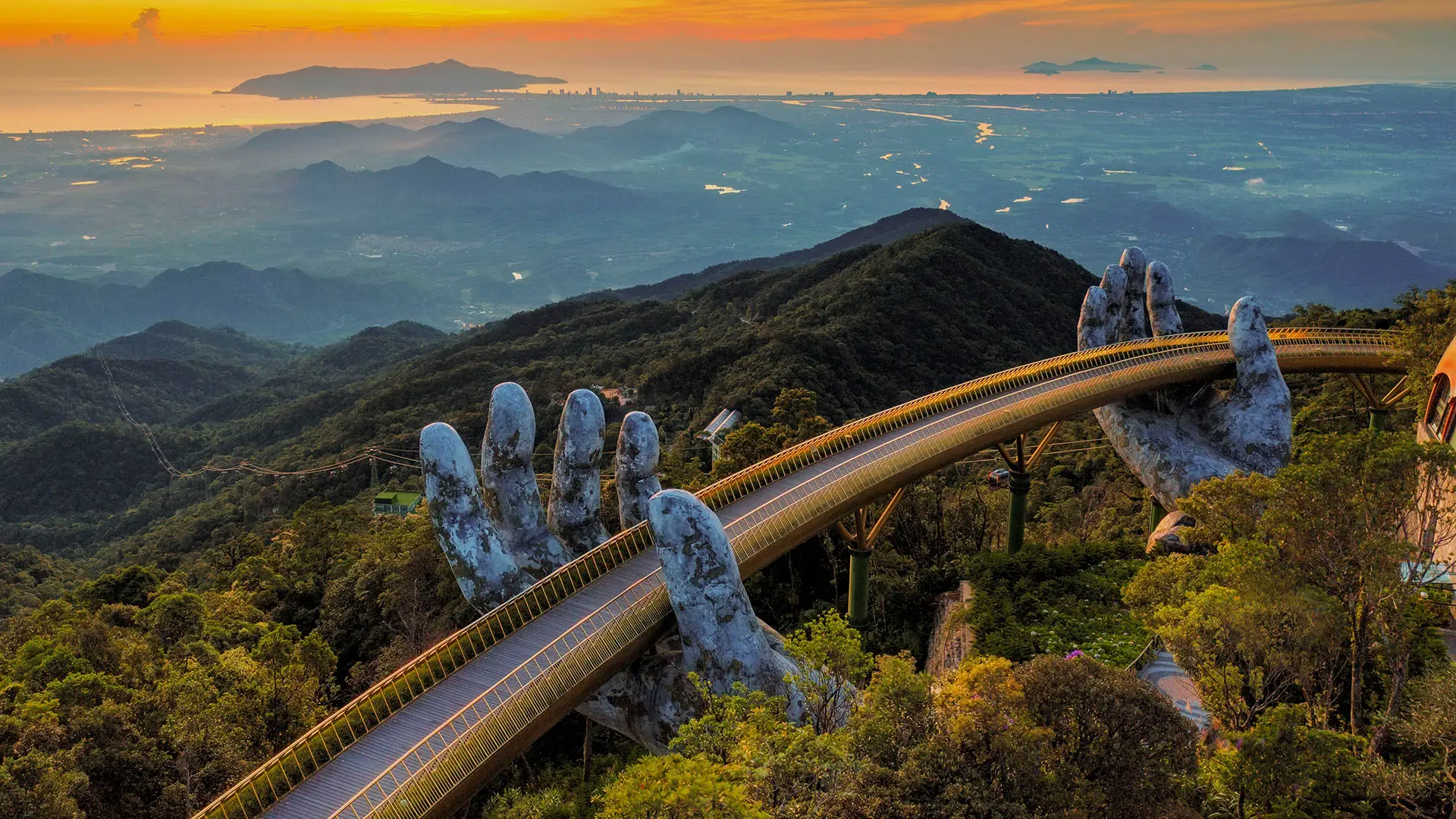
Central Vietnam, a narrow stretch of land framed by mountains and sea, has long been…

In recent years, artificial intelligence has quietly redefined how people travel. What once required hours of research, uncertainty, and even a degree of serendipity can now be resolved in seconds. An itinerary appears, tailored to individual preferences, optimized for efficiency, and refined through layers of predictive logic. The promise is compelling: less friction, better choices, and experiences that align almost perfectly with who we are—or at least, who data suggests we might be.
Yet something less measurable has begun to surface alongside this progress. As journeys become more precise, they risk becoming less profound. The question is no longer whether travel can be optimized, but whether optimization, taken too far, begins to erode the very qualities that make travel meaningful.
Personalization, as it is commonly understood today, rests on recognition. It identifies patterns, tracks behavior, and anticipates desire with increasing accuracy. But recognition is not the same as understanding. To know that a traveler prefers secluded resorts over busy cities is one thing; to understand why they seek solitude at a particular moment in their life is another entirely. The former can be computed. The latter cannot.
This distinction matters because travel, at its most enduring, has never been solely about preference. It has been about encounter—often unexpected, sometimes uncomfortable, and occasionally transformative. These are not experiences that emerge from optimization. They arise from a certain openness to the unplanned, from moments that resist being predicted in advance.
What might be called “deep travel” exists precisely in this space. It does not announce itself through exclusivity or distance, nor does it depend on how far one goes. Rather, it is defined by attention. It is the difference between moving through a place and allowing a place to move through you. A quiet morning in an old town, a conversation that was never scheduled, a landscape observed without the impulse to capture or share—such moments rarely register as highlights in an itinerary, yet they often become the memories that endure.
In an age increasingly shaped by speed and convenience, these experiences take on a different kind of value. They offer a form of resistance—not against technology itself, but against the assumption that everything meaningful can be improved through efficiency. There remains, even now, a dimension of human experience that cannot be reduced to data points or enhanced through prediction.
This is where the role of human judgment, often overlooked in discussions of modern travel, becomes quietly significant. Not as a substitute for technology, but as a counterbalance to it. To understand the rhythm of a place, to sense when to linger and when to move on, to recognize that the most meaningful moments are sometimes the least planned—these are not decisions that emerge from algorithms. They are cultivated through experience, perception, and an awareness of context that is difficult to formalize.
None of this suggests that technology diminishes travel. On the contrary, it has made the world more accessible than ever before. But accessibility is not the same as depth. A journey can be seamless and still leave no lasting impression; it can be efficient and yet feel strangely empty. The paradox is that as travel becomes easier, the effort required to experience it meaningfully may, in fact, increase.
In the end, the value of deep travel lies not in what is seen, but in what is felt—and, perhaps more importantly, in what is understood afterward. It is not concerned with covering more ground, but with arriving, however briefly, at a clearer sense of one’s place in the world.
In a time when so much can be defined, predicted, and optimized, this may be what remains most rare: experiences that are not immediately legible, not easily measured, and not entirely explained. And it is precisely in that ambiguity that their value endures.
Related Posts