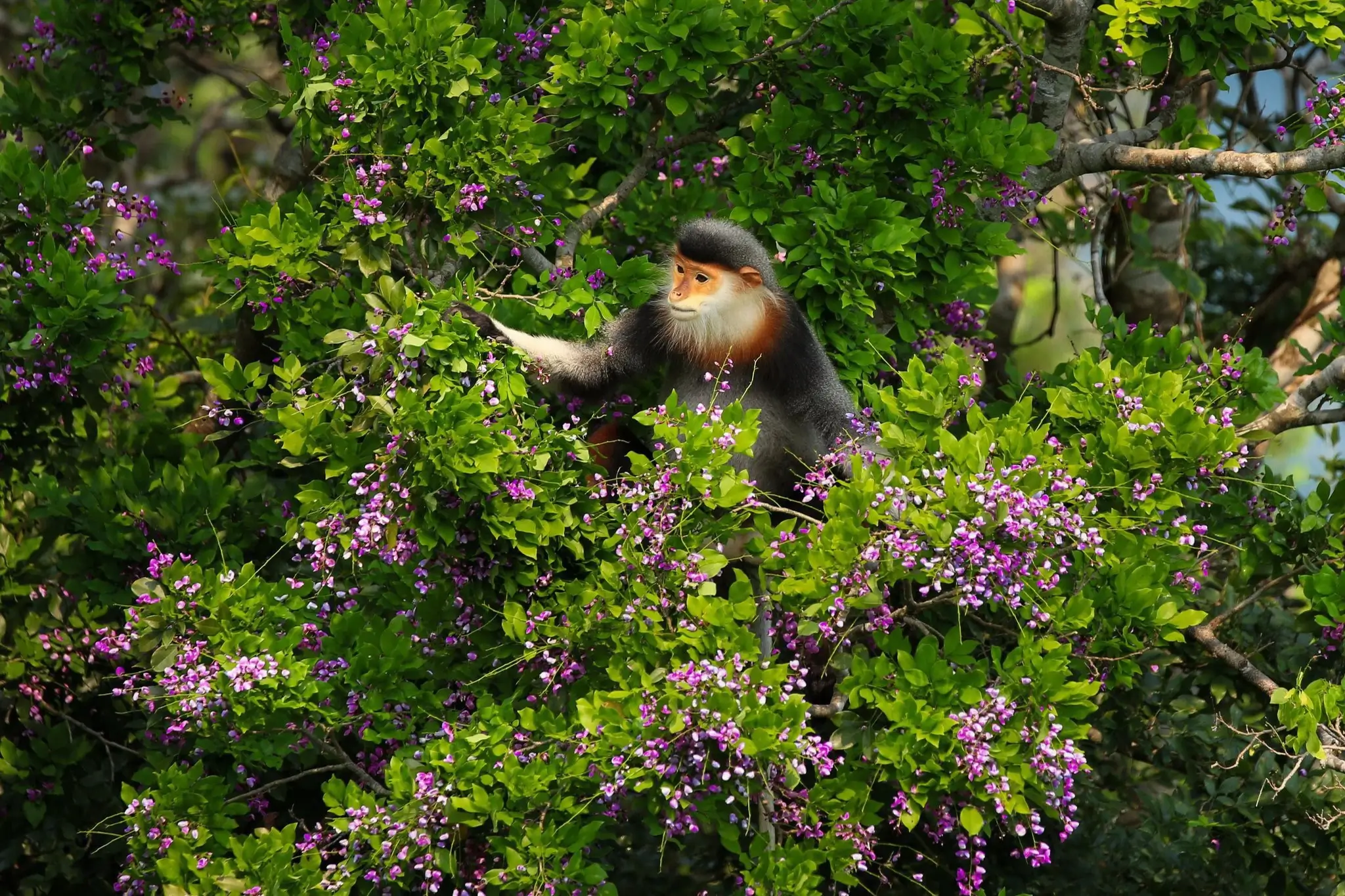
Central Vietnam, a narrow stretch of land framed by mountains and sea, has long been…
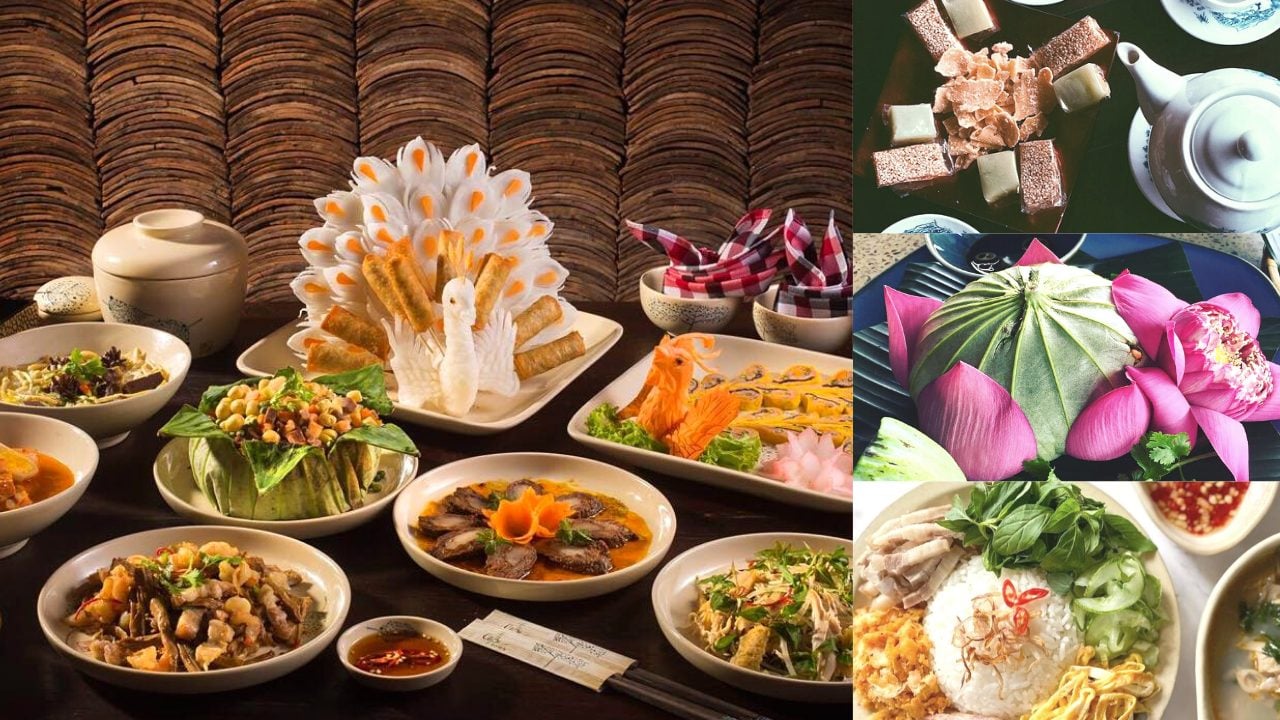
In the former imperial capital of Huế, food was never merely sustenance. It was ritual, symbolism, and above all, a quiet assertion of power.
Under the Nguyễn Dynasty, which ruled Vietnam from 1802 to 1945, cuisine evolved into an art form as intricate as poetry and as deliberate as court ceremony. Every dish served within the citadel carried meaning—shaped not only by flavor, but by philosophy, aesthetics, and hierarchy.
To dine in Huế, at least in its truest sense, is to step into a world where restraint matters more than abundance.
A Cuisine of Precision, Not Excess
Unlike the bold, communal flavors of other Vietnamese regions, imperial cuisine in Huế is defined by its subtlety. Portions are small, almost ceremonial. Presentation is meticulous. A single tray may hold a dozen dishes, each crafted to achieve balance—not just in taste, but in color and texture.
This is not a cuisine designed to impress through richness. It impresses through discipline.
Even today, dishes like bánh bèo, nem công chả phụng (once reserved for royalty), or delicately carved vegetable garnishes reflect a legacy where culinary skill was judged not by how much one could serve, but by how precisely one could execute.
The Aesthetics of Power
At the imperial court, food was inseparable from visual harmony. Colors were chosen to reflect the five elements—earth, metal, water, wood, and fire—mirroring the philosophical foundations of East Asian thought.
A meal was composed like a painting.
Bowls and plates were arranged symmetrically. Ingredients were cut into specific shapes. Even the act of eating followed an unspoken choreography, reinforcing order and hierarchy within the court.
In this sense, Huế’s cuisine was not just about nourishment. It was about control—of the senses, of the environment, and ultimately, of the narrative of power itself.
Echoes of the Court in Modern Huế
Today, the imperial court is gone, but its culinary philosophy lingers in quiet corners of the city.
Some families still preserve royal recipes, passed down through generations. A handful of refined dining experiences attempt to recreate the elegance of court meals—not as spectacle, but as interpretation.
Yet what makes Huế compelling is not the attempt to replicate the past perfectly. It is the way the past continues to shape taste, often invisibly.
A simple bowl of noodles here carries echoes of imperial restraint. A modest dish may reveal layers of technique that speak to centuries of refinement.
Beyond Food: A Cultural Lens
To understand Huế through its cuisine is to understand a deeper Vietnamese sensibility—one that values harmony over intensity, nuance over display.
It is also to recognize a paradox.
The same system that produced such extraordinary refinement was also rigid, hierarchical, and ultimately unsustainable. The fall of the imperial court marked not just a political shift, but the end of a worldview where beauty and power were so tightly intertwined.
And yet, in Huế, that world has not entirely disappeared.
It lingers—in flavors, in rituals, in the quiet elegance of a meal that asks you to slow down and pay attention.
A Different Kind of Luxury
For the modern traveler, especially one accustomed to overt luxury, Huế offers something more elusive.
Not opulence, but depth.
Not extravagance, but intention.
To experience imperial cuisine here is not to indulge, but to observe—to notice the discipline behind each detail, and the history carried within it.
It is, in the end, a reminder that true refinement is rarely loud.
And in Huế, it never needed to be.
Related Posts